










The psychology behind high-stakes gambling decisions
20/04/2026 17:43
The psychology behind high-stakes gambling decisions
The allure of high-stakes gambling
High-stakes gambling attracts players for various reasons, one of which is the thrill and excitement that comes with risking substantial amounts of money. The adrenaline rush experienced during high-stakes games often creates a euphoric state where rational decision-making becomes secondary. Many players find themselves drawn to the idea of winning big, which can overshadow the potential losses involved. This allure is reinforced by the glamour often associated with high-stakes gambling environments, such as luxurious casinos and exclusive events. Additionally, for those seeking an exhilarating experience, Aztec Paradise Casino offers an impressive array of options.

Psychologically, the concept of risk and reward plays a crucial role in high-stakes gambling. When players engage in these activities, they are often motivated by the potential for financial gain and social recognition. The prospect of turning a small investment into a life-changing sum can create a powerful incentive. Cognitive biases, such as the illusion of control and overconfidence, can further exacerbate these feelings, leading players to believe they can manipulate outcomes in their favor, regardless of the inherent randomness of gambling.
Moreover, social factors also contribute to the appeal of high-stakes gambling. In many cultures, gambling is perceived as a rite of passage or a demonstration of courage and risk-taking. Players may be motivated to gamble at high stakes to assert their status within social circles or to escape mundane realities. This social dimension intertwines with personal psychology, fostering an environment where high-stakes gambling becomes not only a financial endeavor but also a means of social validation and identity expression.
Decision-making under pressure
The psychology behind decision-making in high-stakes gambling often involves navigating intense pressure and emotion. When faced with the potential for significant wins or devastating losses, players may experience heightened levels of stress that affect their judgment. Research in behavioral economics suggests that individuals under pressure may revert to instinctual decision-making rather than relying on analytical thought processes. This can lead to impulsive actions that prioritize immediate gratification over long-term strategy.
In high-stakes situations, the fear of loss can dominate a player’s mindset, influencing their choices in unpredictable ways. For instance, the concept of loss aversion—where individuals prefer to avoid losses rather than acquire equivalent gains—can lead to irrational decisions. Players may hold onto losing bets in the hopes of a comeback, often digging themselves deeper into financial trouble. Understanding these psychological mechanisms can help players recognize when they might be straying from rational decision-making.
Additionally, the environment in which high-stakes gambling occurs can further amplify stress and emotional responses. The presence of other players, the noise of the casino, and the visual stimuli can create an atmosphere that is both exhilarating and overwhelming. This sensory overload can skew a player’s perception of risk and reward, ultimately impacting their decision-making processes. Awareness of these factors can empower players to approach high-stakes situations with greater mindfulness and control.
The role of cognitive biases
Cognitive biases significantly influence decision-making in high-stakes gambling contexts. One of the most notable biases is the gambler’s fallacy, where players mistakenly believe that past events affect future outcomes in random games of chance. For instance, a player may think that a particular slot machine is “due” for a win after a series of losses. This misconception can lead to prolonged sessions and larger bets, increasing the risk of significant losses.
Another common bias is the sunk cost fallacy, which occurs when players continue to invest in a losing proposition because they have already committed resources. Emotionally, players struggle to accept losses, prompting them to chase their losses in hopes of a turnaround. This behavior can result in spiraling debts and a downward trajectory in their gambling experience. Understanding these cognitive pitfalls is crucial for anyone participating in high-stakes gambling.
Furthermore, confirmation bias can lead players to selectively focus on wins while ignoring losses, reinforcing their belief in luck or skill. This psychological pattern can create an illusion of mastery over the game, resulting in riskier bets and a failure to recognize when it is time to walk away. Educating gamblers about these cognitive biases can help them make more informed choices and mitigate the detrimental effects of these mental shortcuts.
Emotional impacts of gambling
The emotional landscape of high-stakes gambling is complex and multifaceted. The thrill of potential winnings can evoke feelings of joy and excitement, but it can also lead to anxiety, guilt, and depression when losses occur. Many high-stakes gamblers experience a rollercoaster of emotions, creating an addictive cycle that is hard to break. The initial euphoria from a win can lead to an increased tolerance for risk, making players susceptible to greater stakes over time.
Moreover, the emotional impacts of gambling can extend beyond the individual, affecting relationships with family and friends. When players prioritize gambling over other responsibilities, it can lead to conflicts and a breakdown of trust. Loved ones may express concern or frustration, further complicating emotional responses. Acknowledging these emotional dynamics is crucial for individuals engaged in high-stakes gambling, as they must balance their gambling habits with their personal lives and mental health.
Additionally, the societal stigma surrounding gambling can exacerbate feelings of shame and isolation for individuals struggling with high-stakes decisions. Many may feel compelled to hide their gambling habits, which can lead to further emotional distress. Addressing these feelings through open dialogue and support systems can foster healthier gambling behaviors and reduce the negative psychological impacts associated with high-stakes gambling.
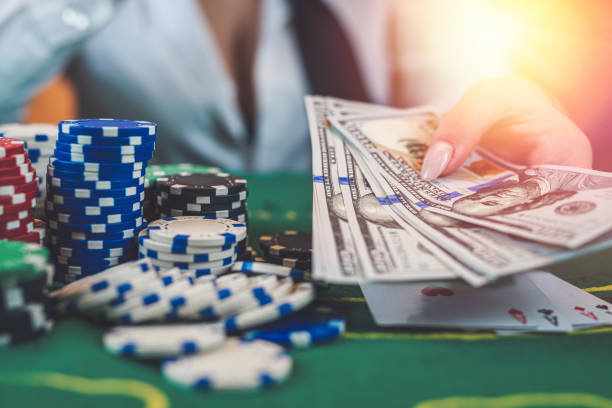
High-stakes gambling at Aztec Paradise Casino
At Aztec Paradise Casino, players can experience high-stakes gambling in an environment designed to enhance their gaming experience. With a vast selection of over 8,000 games, players can engage in thrilling gameplay that aligns with their preferences. The casino’s welcoming atmosphere, combined with enticing bonuses and promotions, encourages both new and experienced players to explore high-stakes options.
Understanding the psychology behind high-stakes gambling is essential for players looking to maximize their enjoyment while minimizing risks. Aztec Paradise Casino offers resources and support for responsible gambling, ensuring that players have access to tools that promote healthy gaming habits. This emphasis on player welfare contributes to a positive gambling experience, allowing players to engage with high stakes in a mindful manner.
With a commitment to security and player satisfaction, Aztec Paradise Casino provides a robust platform for high-stakes gambling enthusiasts. Whether players are drawn to the thrill of big wins or the social aspects of gaming, the casino aims to create an enjoyable and responsible gambling environment. By combining excitement with education, Aztec Paradise Casino stands as a leading destination for those navigating the complex world of high-stakes gambling decisions.